Split in Winter: Best Things to Do and Why Visit Split in the Low Season (November to March)
Updated: Aug 6
When people think of Split, they usually imagine summer beaches, island trips, crowded streets, and long evenings on the Riva promenade. But Split in winter offers a completely different experience — a quieter, more authentic side of the city with fewer crowds, local experiences, cultural attractions, and a slower Mediterranean lifestyle.
From November to March, Split enjoys a mild Mediterranean winter. The weather changes between sunny days, occasional rain, and the famous bura wind that shapes life on the Dalmatian coast. Average daytime temperatures are usually around 10–14°C, and sunny days often feel pleasantly warm. Unlike many European destinations, snow and lasting ice are extremely rare in Split.
The shorter winter days are easy to adapt to. In December and January, sunset is around 16:30, so mornings and early afternoons are ideal for sightseeing, while evenings are perfect for museums, restaurants, cafés, wine bars, and enjoying the relaxed atmosphere of the old town.
Visiting Split from November to March means fewer crowds, more affordable accommodation, easier access to attractions, and the opportunity to experience the city beyond its famous summer image.

Why visit Split in winter?
Explore Split without the summer crowds
One of the biggest advantages of visiting Split in winter is the peaceful atmosphere. During summer, the historic center can become extremely busy. In the low season, you can walk through the old streets at your own pace, take better photos, and enjoy the beauty of Diocletian's Palace without the crowds. The narrow stone streets, quiet squares, and winter light create a completely different feeling. Split becomes less of a busy tourist destination and more of a living Mediterranean city where locals meet, work, and enjoy everyday life. For travelers looking for an authentic Croatian experience, the Split low season offers the chance to discover the city at a slower pace.
Things to do in Split in winter: discover Diocletian’s palace
Even when the weather is rainy or windy, Split’s historic center remains one of the best places to visit. The advantage of exploring Diocletian's Palace in winter is that you can combine outdoor sightseeing with indoor historical sites. Highlights include:
Ancient Roman streets and passages
Peristil square
The Substructures of Diocletian’s palace (indoor visit) – one of the best-preserved parts of the Roman imperial complex
St. Domnius's cathedral and Jupiter’s temple (indoor visits) – important landmarks inside the palace area
Small local shops and cafés hidden within the ancient walls
Winter gives Diocletian’s palace a special atmosphere. With fewer visitors and softer Mediterranean light, you can focus on the history, architecture, and stories behind the monuments.
Visit Split museums and cultural attractions
Short winter days are perfect for discovering the cultural side of Split. When the weather is rainy or the bura wind is strong, museums and galleries offer a great alternative to outdoor sightseeing. Recommended places to visit include:
Split City museum – Learn about the history and development of Split through the centuries.
Archaeological museum in Split – Discover ancient artifacts from Dalmatia and the Roman period.
Ethnographic museum Split – Explore traditional Dalmatian clothing, crafts, customs, and everyday life.
Ivan Meštrović's gallery – Visit the former summer residence and collection of Croatia’s most famous sculptor.
The low season is an excellent time for museums because you can explore without rushing and enjoy the collections at a relaxed pace.
Experience Split’s fish market and farmers’ market
One of the best ways to experience everyday life in Split is to visit the local markets in the morning. The fish market (Peškarija) and the farmers’ market (Pazar) have been part of daily life in Split for generations. In the morning hours, locals come to buy fresh Adriatic fish, seasonal fruit and vegetables, olive oil, cheese, cured meats, and other products from the surrounding Dalmatian region. The low season is an especially good time to visit because the markets feel more authentic and less focused on tourism. You can watch fishermen bring in their catch, see locals choosing ingredients for lunch, and get a glimpse of traditions that are still part of everyday life in Split. A morning visit to the markets is a simple but memorable experience — a chance to see the city as locals do before continuing with sightseeing, museums, or a relaxed coffee in the old town.
Taste traditional Dalmatian food
One of the best things to do in Split in winter is to experience local cuisine. During summer, many visitors focus on beaches, islands, and boat trips. In the colder months, restaurants become a central part of the Split experience. This is the perfect season to try traditional Dalmatian dishes such as:
Pašticada with gnocchi
Black risotto (crni rižot)
Fresh Adriatic fish
Octopus salad
Lamb dishes
Sarma
Peka
A long lunch in a traditional konoba is one of the best ways to enjoy the slower pace of winter in Split.
Experience Split’s café culture and digital nomad scene
Coffee is an important part of daily life in Croatia. Locals do not simply drink coffee — they take time for it. During winter, Split’s cafés become especially inviting places to relax, read, meet friends, or watch life in the historic center. Split has also become a popular destination for digital nomads, many of whom stay in the city for several months and work remotely from local cafés. With a Mediterranean lifestyle, reliable internet, and a relaxed atmosphere, coffee shops have become comfortable workplaces for remote professionals. Spending an afternoon in a Split café is one of the easiest ways to experience the city like a local.
Things to do in Split in winter: nature and outdoor activities
Although winter is not the season for swimming and beach days, Split and its surroundings are beautiful throughout the year. Cooler temperatures make walking, hiking, and sightseeing much more comfortable than during the hot summer months. Good places to visit include:
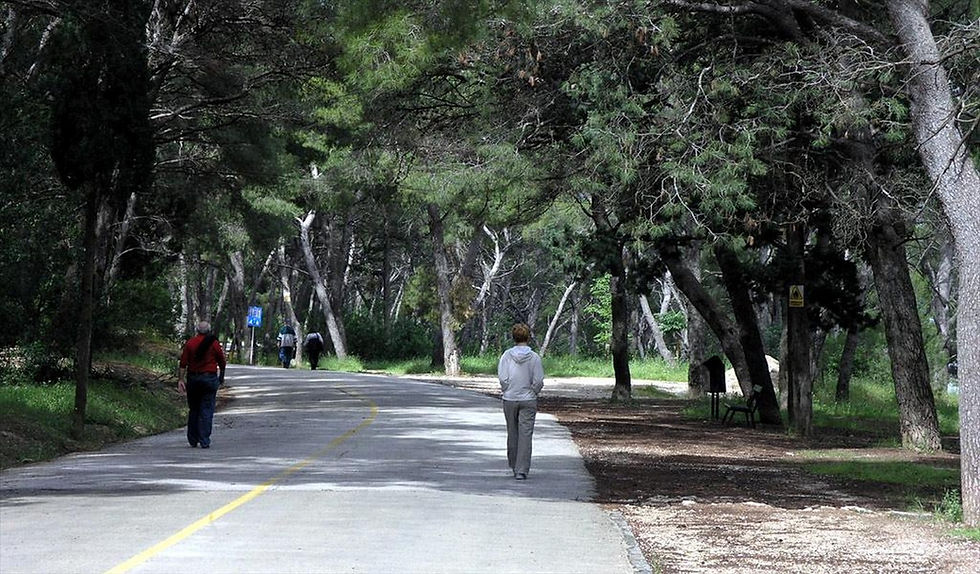
Marjan forest park – Enjoy walking trails and views over Split and the Adriatic islands.
Klis fortress – Visit a dramatic medieval fortress with stunning panoramic views.
Salona – Explore the remains of the ancient Roman city near Split.
Trogir - Enjoy the UNESCO-listed medieval town with fewer visitors.
Always check the weather conditions before planning outdoor activities, especially during strong wind periods.
Take a private walking tour of Split in winter
The low season is a great time for visitors who want a more personal way to discover the city. During winter, I offer private walking tours of Split designed around the season and weather conditions. With fewer visitors in the city, there is more time for stories, questions, and discovering details that are often missed during the busy summer months. A winter walking tour allows you to explore Diocletian’s palace, learn about Roman history, discover local traditions, and experience Split at a more relaxed pace. For travelers who want to understand the city beyond the summer postcard, a private walking tour is one of the best ways to connect with Split’s history and culture.
Split winter weather: What to expect from November to March
Split has a mild Mediterranean winter climate:
November:
Pleasant daytime temperatures (average: 17°C)
More frequent rain
Many sunny days
December and January:
The coolest months
Daytime temperatures usually around 10–12°C
Sunset around 16:30
Possible bura wind periods
February:
A transition month with longer days
Average daytime temperatures usually around 12°C
March:
More sunshine
Longer daylight hours
Average daytime temperatures usually around 15°C
Warmer Mediterranean conditions returning - early spring
Winter in Split is not a harsh European winter. It is a season of changing skies, sunny coastal walks, cultural experiences, and a more relaxed way of life.
Final thoughts: is Split worth visiting in winter?
Yes, especially if you want to experience a different side of Croatia. Split in winter offers history without crowds, authentic food, local atmosphere, cultural attractions, and a slower Mediterranean rhythm. From November to March, you can enjoy peaceful walks through ancient streets, warm cafés, traditional cuisine, local markets, and meaningful experiences with fewer visitors around. For travelers looking for an authentic Croatian experience, winter in Split is a hidden gem.
Sanja - Tour Guide in Split