Peacocks in Split: Discover the Charming Manuš Neighbourhood
When people search for peacocks in Split, they're often surprised to discover that these magnificent birds live just a few minutes' walk from Diocletian's Palace. Their home is the peaceful neighbourhood of Manuš, where colourful peacocks have become an unexpected local attraction alongside one of Split's most impressive historic landmarks, Gripe fortress.
If you're looking to experience a quieter side of the city beyond the busy streets of the Old town, Manuš is well worth adding to your itinerary.

The famous peacocks in Split
The peacocks of Manuš are among the most unusual attractions in Split. Their vibrant plumage and unmistakable calls have made them a familiar sight for generations of local residents, while many visitors discover them by chance during a walk through the neighbourhood.
Although their exact origin has never been officially documented, it is widely believed that the birds were introduced during the Yugoslav era as ornamental peacocks. Over the decades, they adapted to their surroundings and established the free-roaming population that still lives around Gripe fortress today. Whether you're lucky enough to see one displaying its spectacular tail or simply wandering through the residential streets, encountering these elegant birds is a memorable experience that few visitors expect in the centre of Split.
The peacocks are wild in the sense that they roam freely, but they have become an integral part of the neighbourhood and are appreciated by both locals and visitors alike.
Gripe fortress and the Croatian Maritime museum
While the peacocks may be Manuš's best-known residents, Gripe fortress is the neighbourhood's most important historical landmark.
The fortress was built by the Venetian Republic between 1647 and 1682 during the War of Candia against the Ottoman Empire. Standing on a hill east of the old town, it played a key role in protecting Split from attacks coming from the inland and remains one of the city's best-preserved examples of Venetian military architecture.
Today, the fortress is home to the Croatian Maritime museum, one of the leading maritime museums in Croatia. Its collection features historic ship models, navigation instruments, naval uniforms, maritime charts and other exhibits that illustrate centuries of seafaring tradition along the Adriatic coast. If you're interested in Croatia's maritime heritage, it's well worth including the museum in your visit to Manuš.
Why visit Manuš?
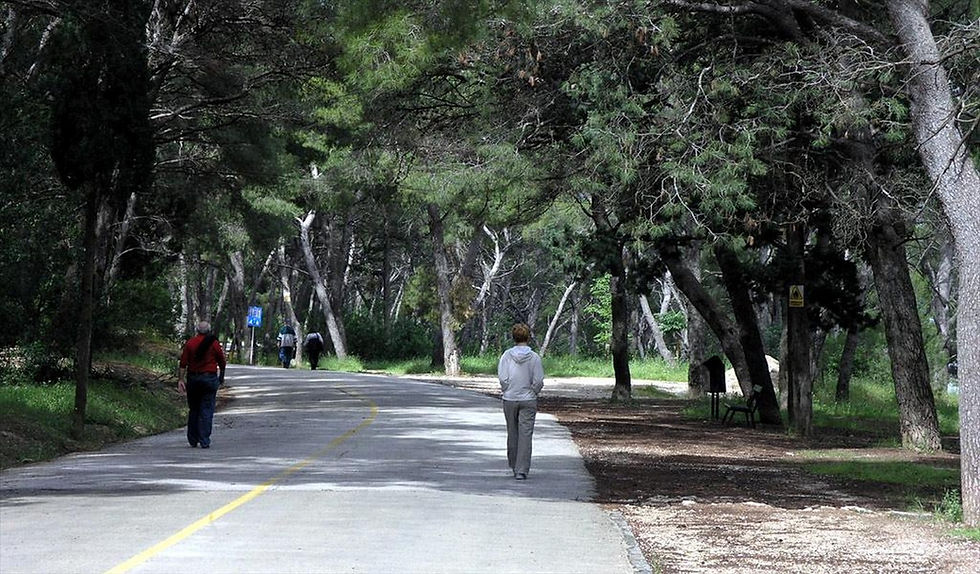
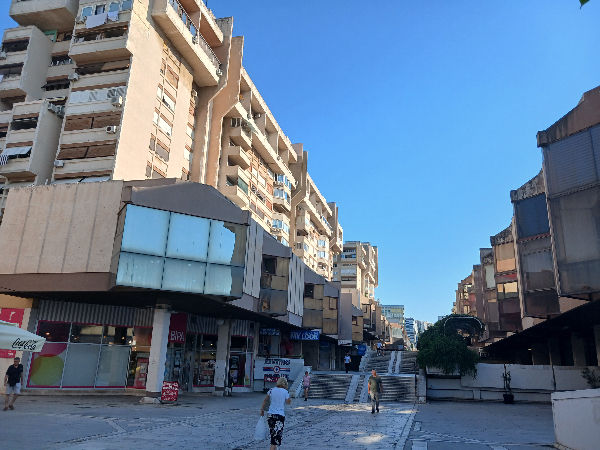
Unlike the lively streets inside Diocletian's Palace, Manuš offers a glimpse into everyday life in Split. This peaceful residential neighbourhood combines traditional Dalmatian konobas (taverns), small parks and historic landmarks with an authentic atmosphere that feels far removed from the city's busiest tourist areas.
Its biggest advantage is its location. Within just a short walk from the UNESCO-listed historic centre, you can discover a completely different side of Split while remaining close to its most famous attractions.
Whether you're interested in local history, searching for hidden gems in Split or hoping to see the famous peacocks for yourself, Manuš offers a relaxing and rewarding detour that many visitors overlook.
Explore Diocletian's palace on a private walking tour
After exploring Manuš, continue your visit with one of my private walking tours through the historic centre of Split.
Together we'll discover Diocletian's Palace, one of the world's best-preserved Roman monuments and the heart of the city for more than 1,700 years. We'll walk through ancient streets, hidden courtyards, impressive squares and remarkable architecture while uncovering the fascinating stories that shaped Split from Roman times to the present day.
A private walking tour is the perfect way to gain a deeper understanding of Split's rich history, culture and traditions while exploring its UNESCO World Heritage Site with a licensed local guide.
Sanja - Tour Guide in Split